Work Drinkworks (Anheuser-Busch InBev × Keurig)
Drinkworks Visual Concepts
Five concept directions for the pods and tube sleeves of the Drinkworks Home Bar — divergent thinking before convergence, with the shipped product staying close to the chosen direction.
- Client
- Drinkworks (Anheuser-Busch InBev × Keurig)
- Year
- circa 2018–2021
- Role
- Executive consulting·Concept design
- Sector
- Beverage / appliance
The brief
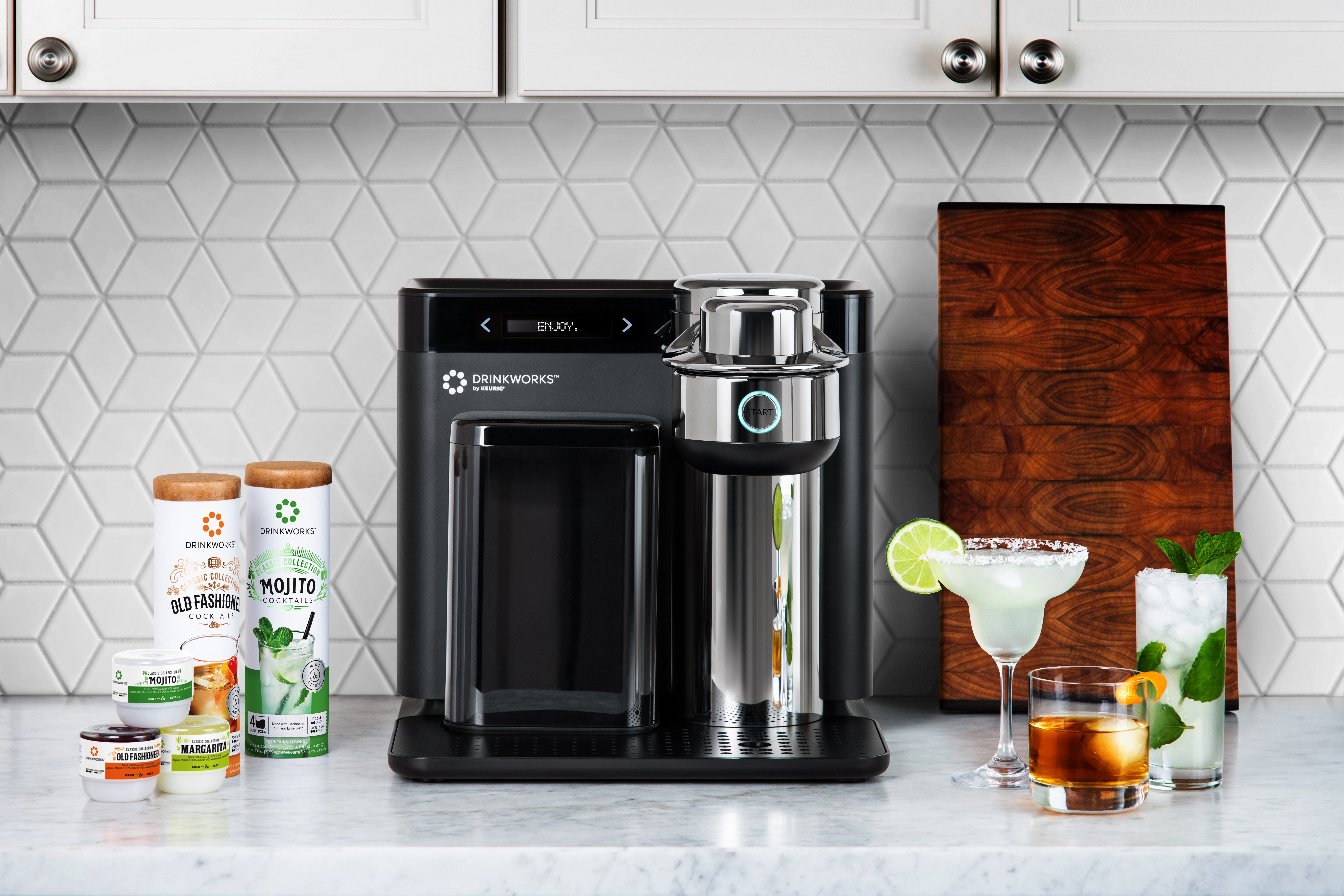
Drinkworks was a collaboration between Anheuser-Busch InBev and Keurig: a push-button at-home cocktail machine with single-serve pods and tube sleeves. Roughly 2018–2021. The hardware and the logo were already in place. What was missing was packaging that could carry the story across pods, tubes, in-store, and digital — and on a very tight timeline.
The shape of the contribution here is different from a Viva or an Our Cellar. This was concept and direction — bring the idea, hand off the finishing.
The work
Sole concept designer. Five directions for the pods and the tube sleeves, ranging deliberately wide so the client could see the full space rather than three flavors of the same idea.
The five directions:
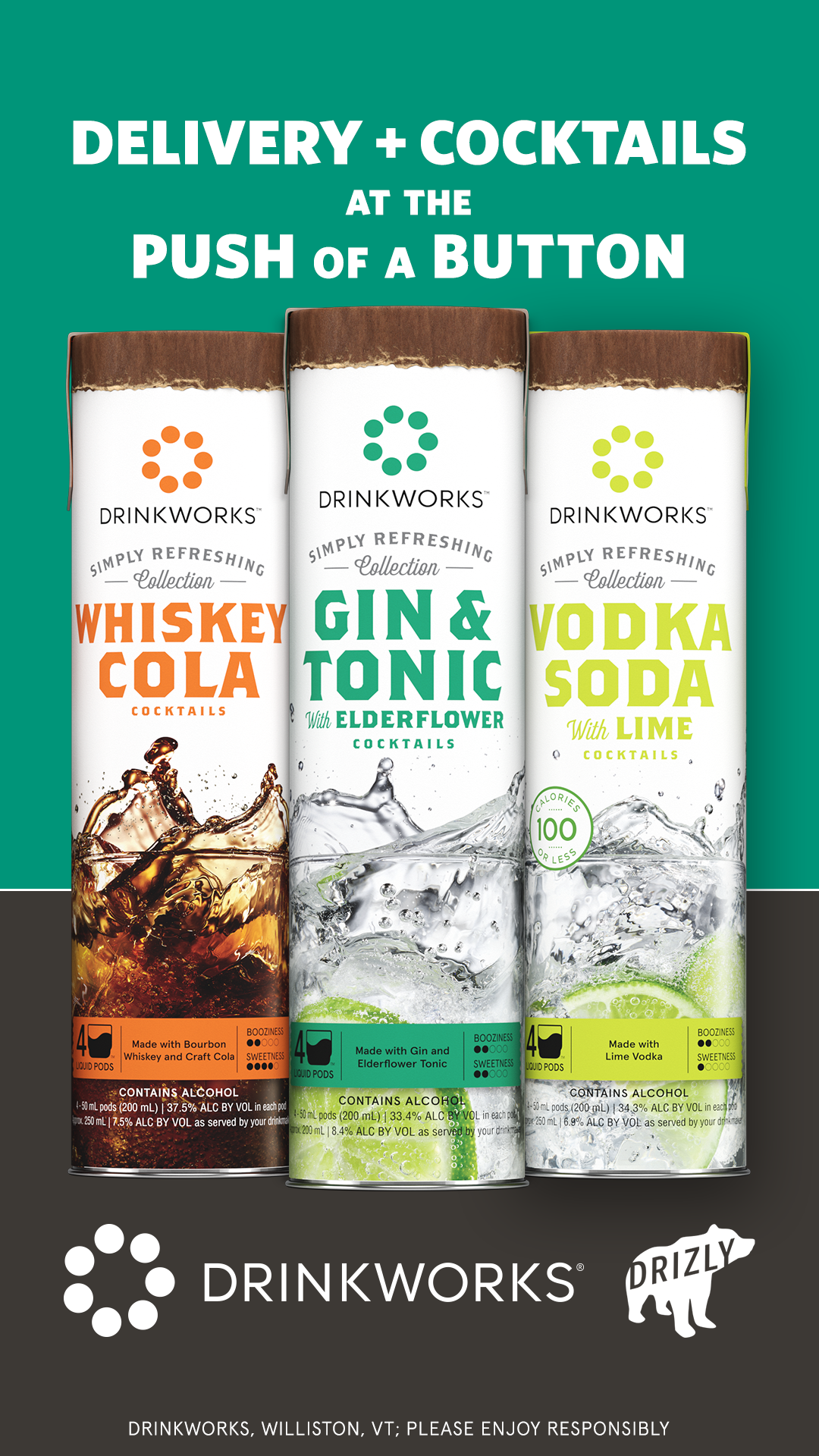
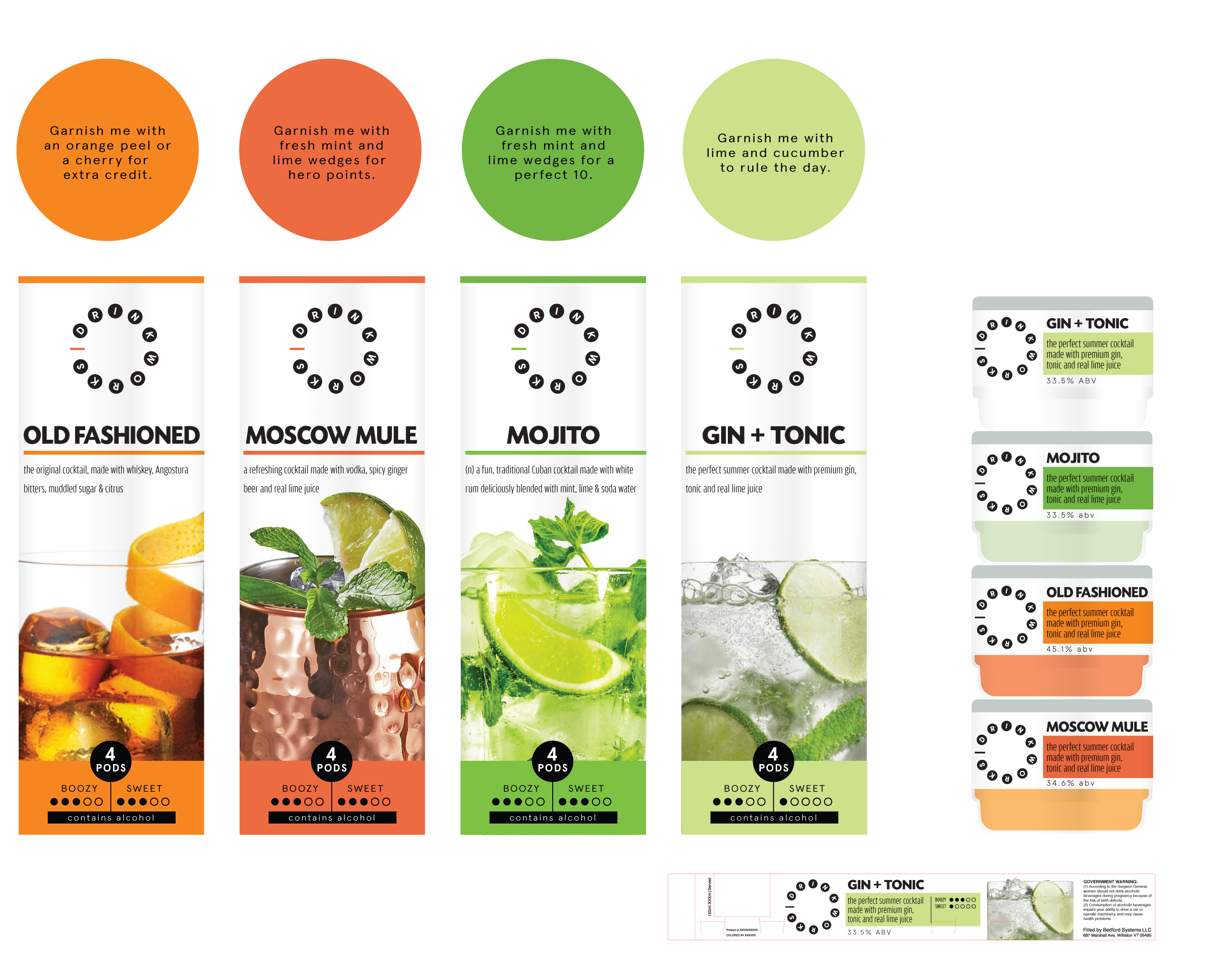
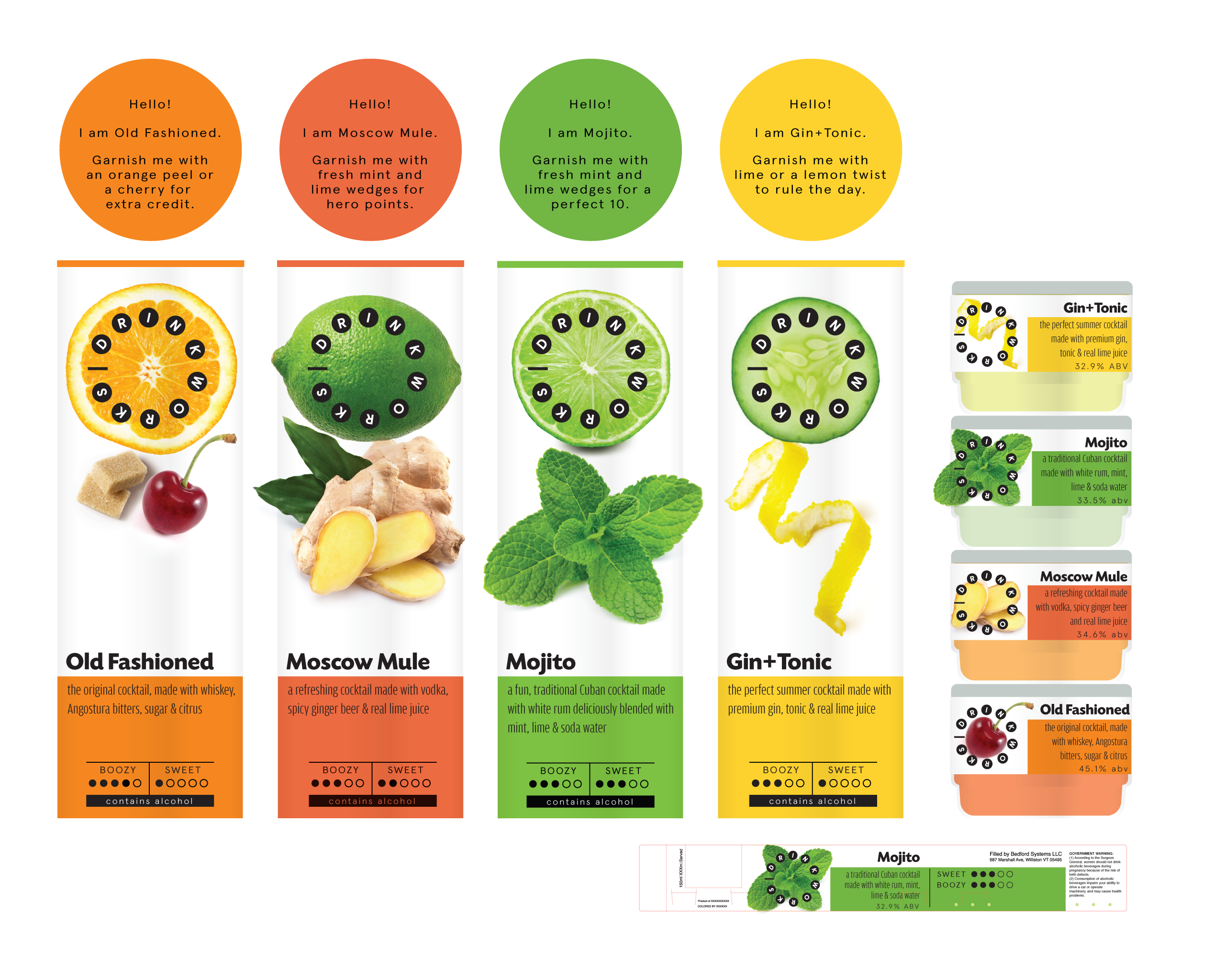
- Photography — the platonic ideal of each cocktail, presented straight. The most direct, consumer-facing route.
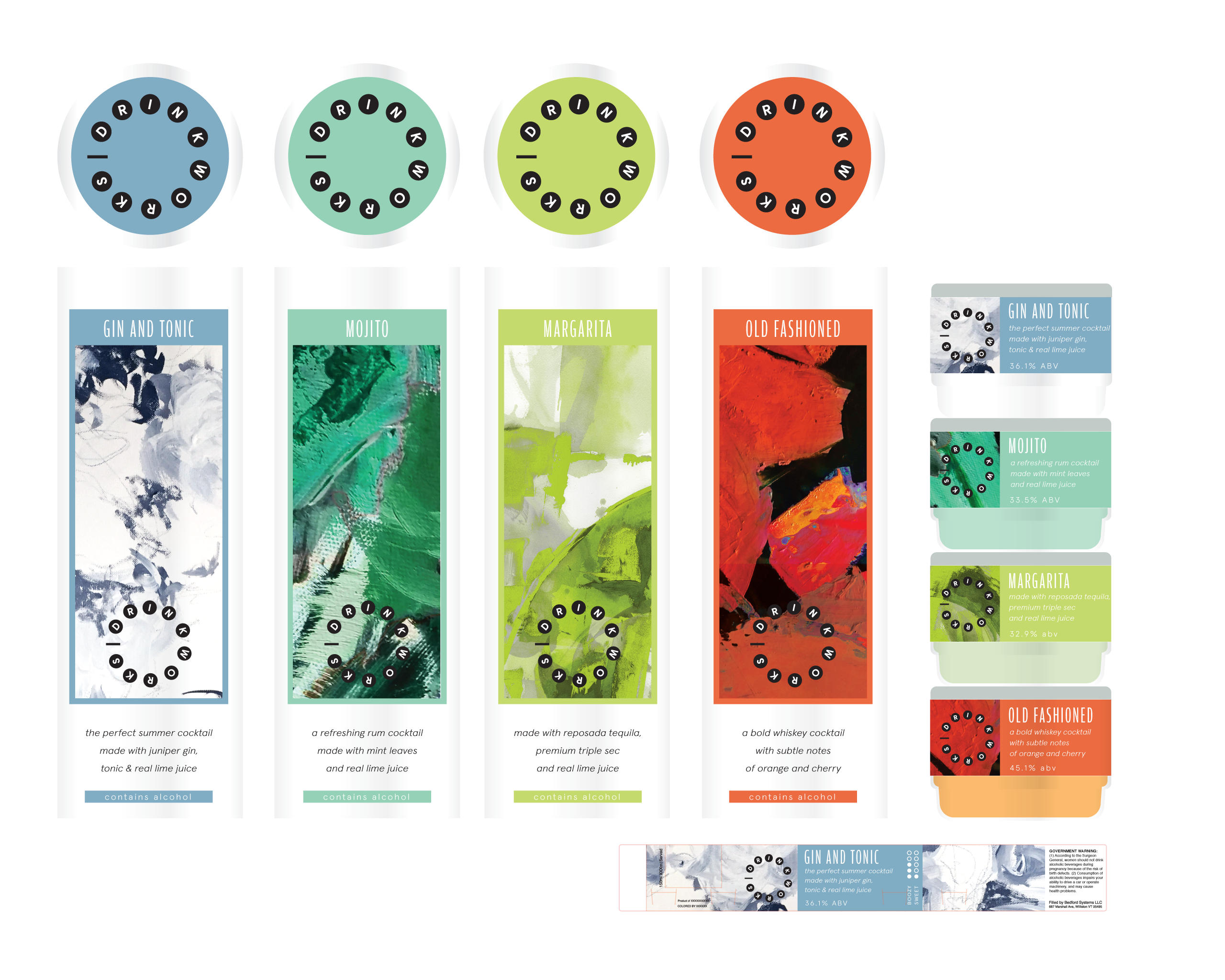
- Bold color + typographic identity — flavor expressed by hue and word, no imagery.
- Ingredient photography — close-ups of the lemon peel, the mint, the muddled cherry. Recipe-as-identity.
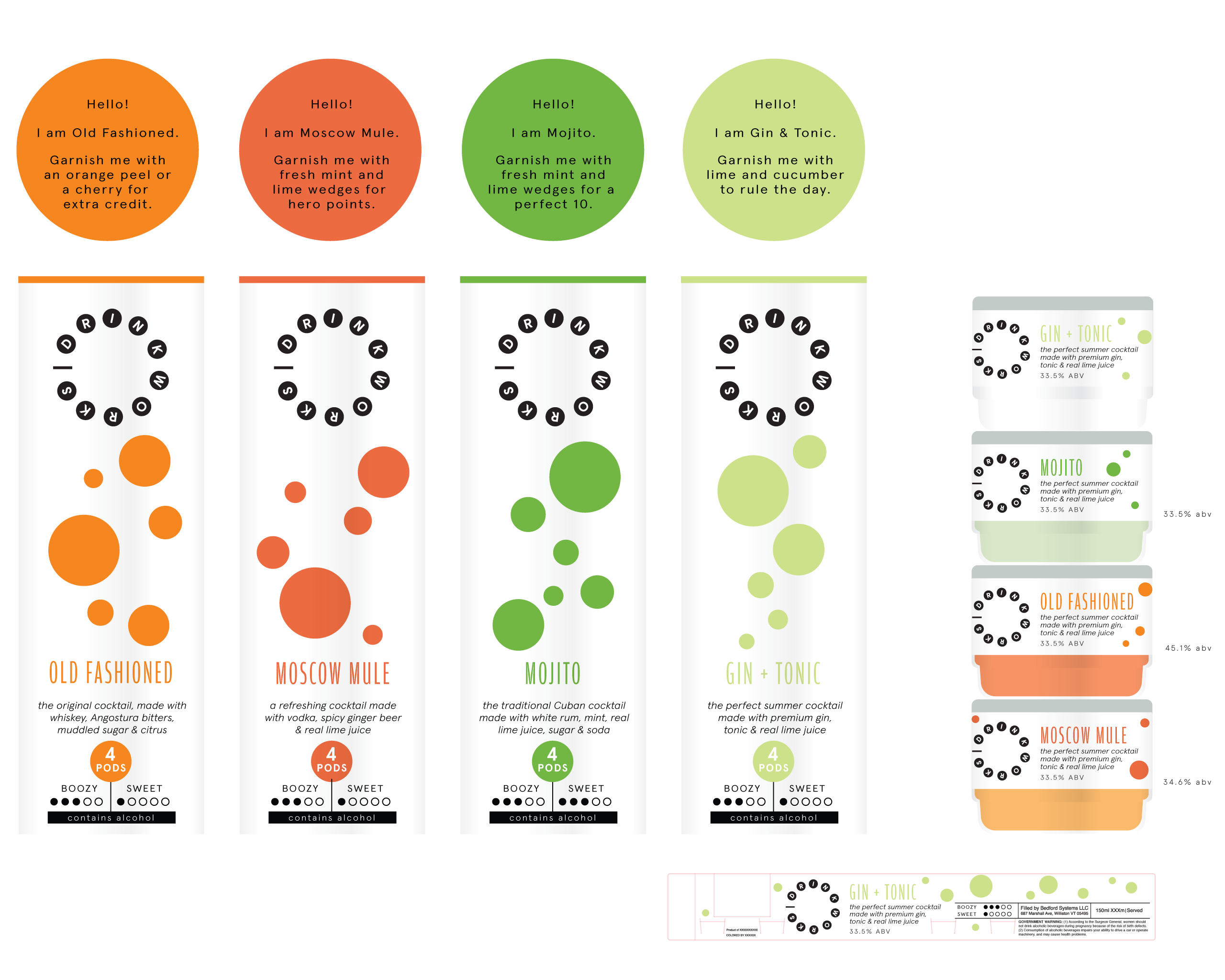
- Geometric / dot system — a more graphic, almost packaging-design-school read.
- Modern abstract painting — each cocktail as a small abstract canvas. Different from anything else on the shelf.
On the shelf
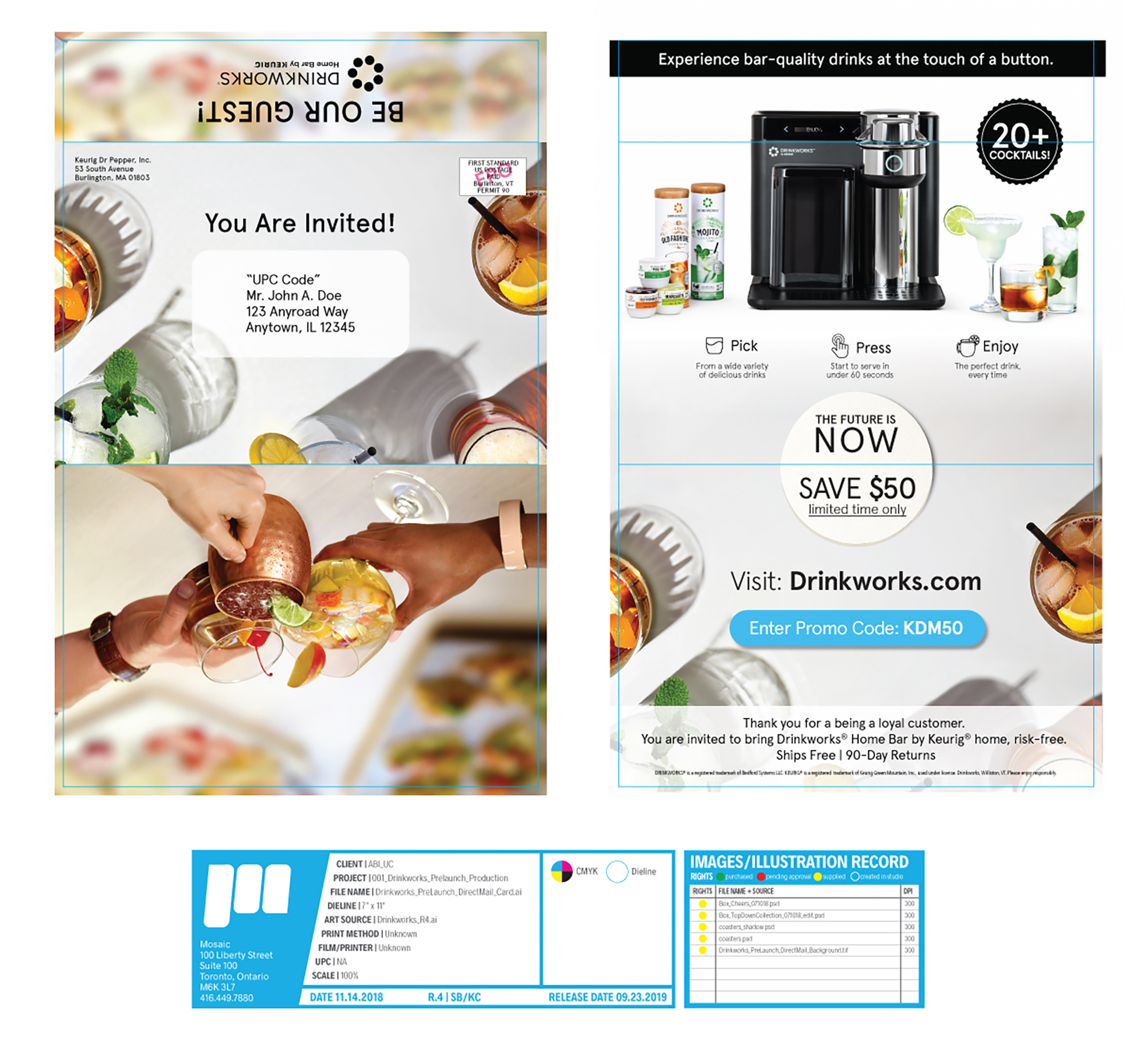
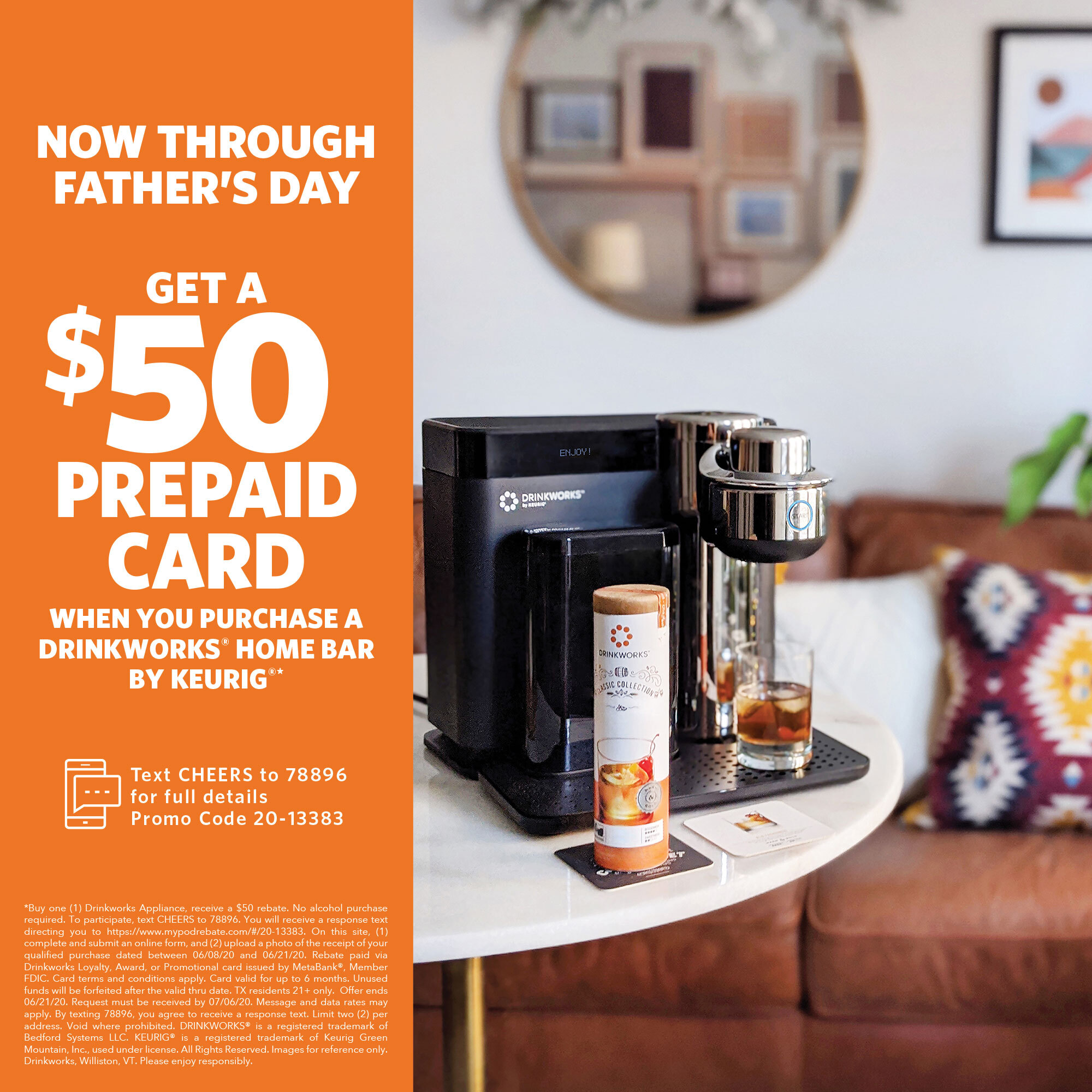
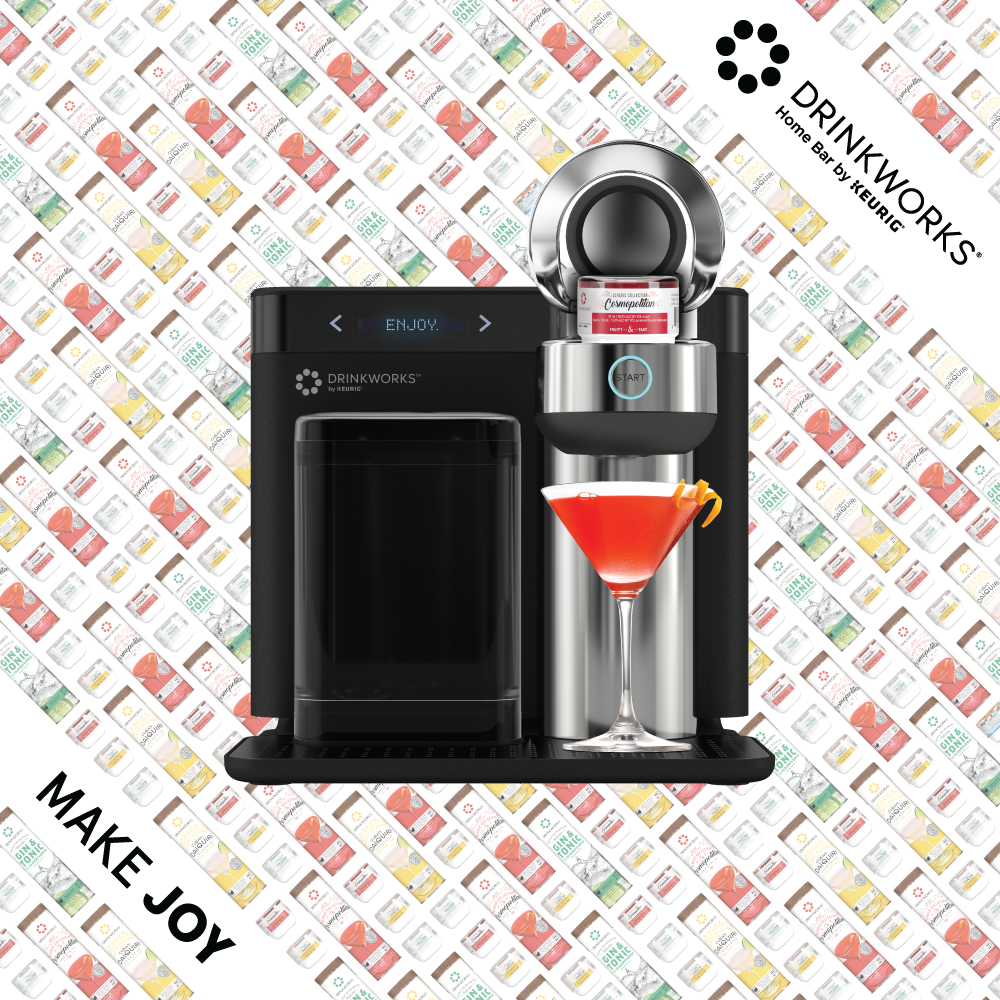
The client picked the photography route — “the platonic ideal of each cocktail presentation” — and the shipped product stayed close to that direction even after handoff to a finishing designer.
What I’m proudest of
Several things, layered.
Breadth of the concepting. Five directions, real ground covered, positive feedback across the spread. Speed. Done on a very short timeline. Fidelity to concept. The shipped product stayed close to a major presented direction, even through the handoff to the finishing designer.
And one honest reflection: the client picked the most direct, most commercially safe of the five — not my personal favorite. The abstract-painting route would have stood out harder on the shelf, but the photography route was the right call given what each side actually valued. A creative director’s job is to present real options, not to push their favorite into the room.